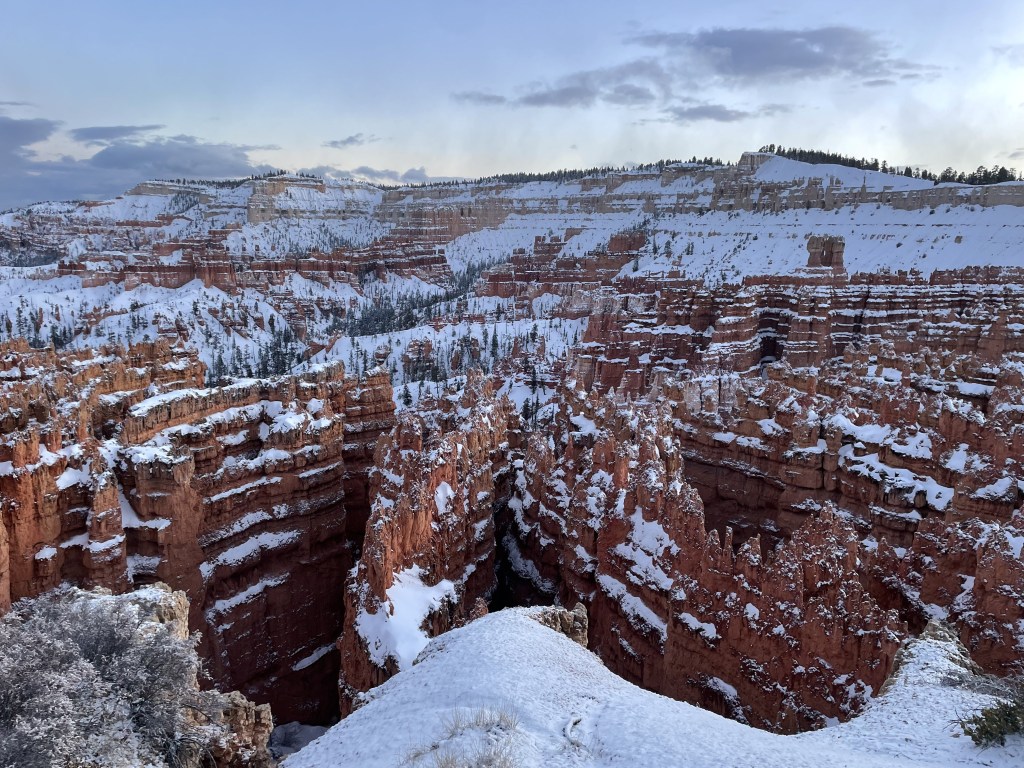
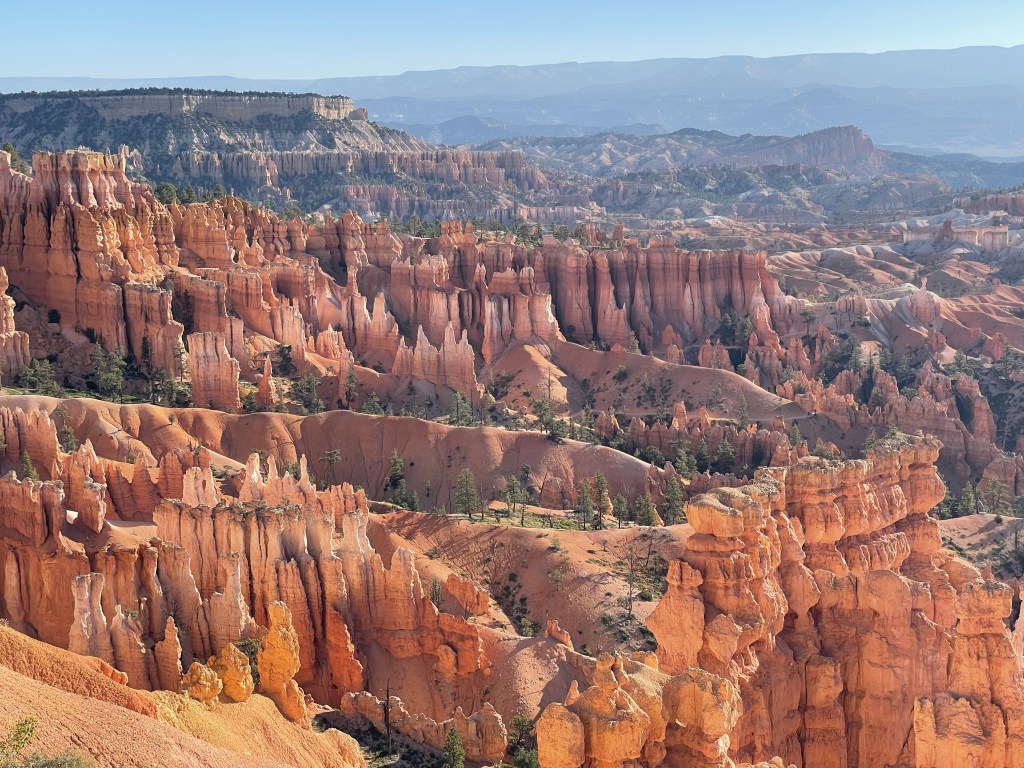
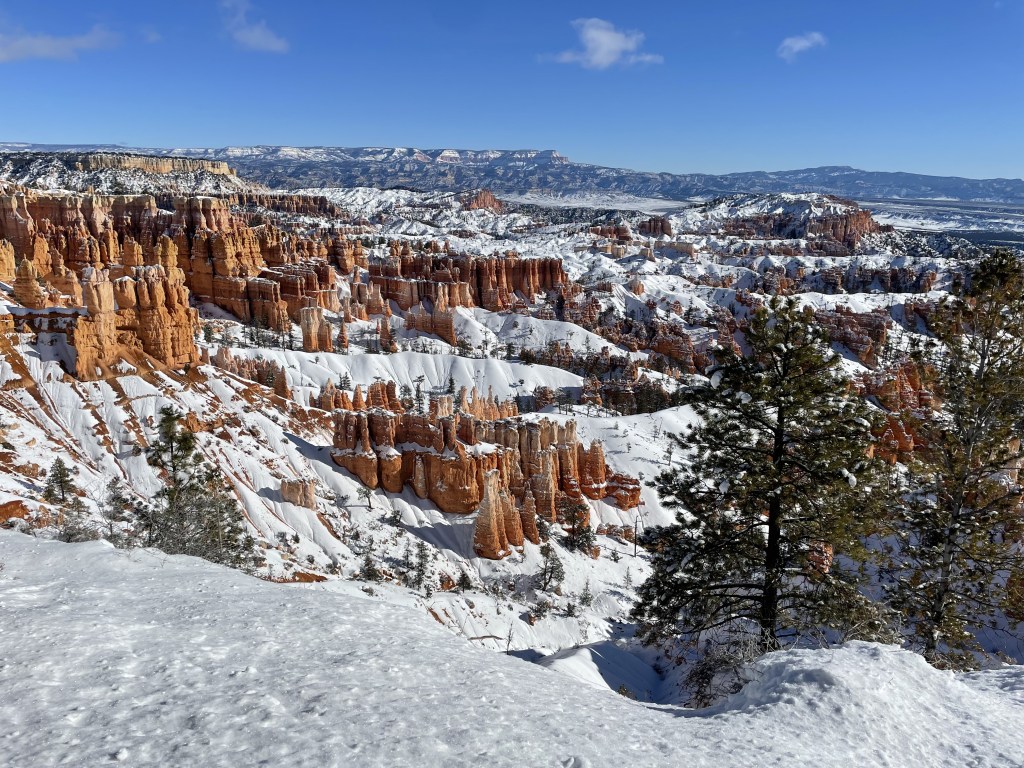
As you wander through the halls of the amphitheater, you will feel like you have stepped into a dream. Despite being a rather small national park in comparison to the others around the country (and Utah’s smallest of their Big 5), big things do come in small packages. This place will blow your mind and imprint your memory with sights you will never forget. The red-rocked masterpiece that is the main attraction, the Amphitheater, is a collection of both freestanding and interconnected hoodoos where you can either stand between them in awe or gaze down at them from above while listening to the silence of nature, but amplified. (Hoodoos are the tall, thin rocks formed by erosion.) Bryce Canyon National Park attracts a variety of tourists from bird watchers to stargazers, hikers to geology nerds, and more.
From its entrance just south of the small city of Bryce Canyon City, visitors can take Bryce Canyon Road all the way through to the edge of the park. Services within the park are abundant, and include a Visitor Center, a lodge and restaurant, camping options, and restrooms at all major trailheads.
Reception is spotty all over the park and carrying a map (offered complimentary with your entrance fee) is highly recommended. Wifi is available at the visitor center and the Bryce Canyon Lodge. If you go without a specific plan, head to the park’s only Visitor Center during operating hours and talk to a park ranger about your options. They are there to help you make your adventure the best they can, but be mindful as to not take up too much of their time so they can do their jobs and help other people, too!
When to go and how long
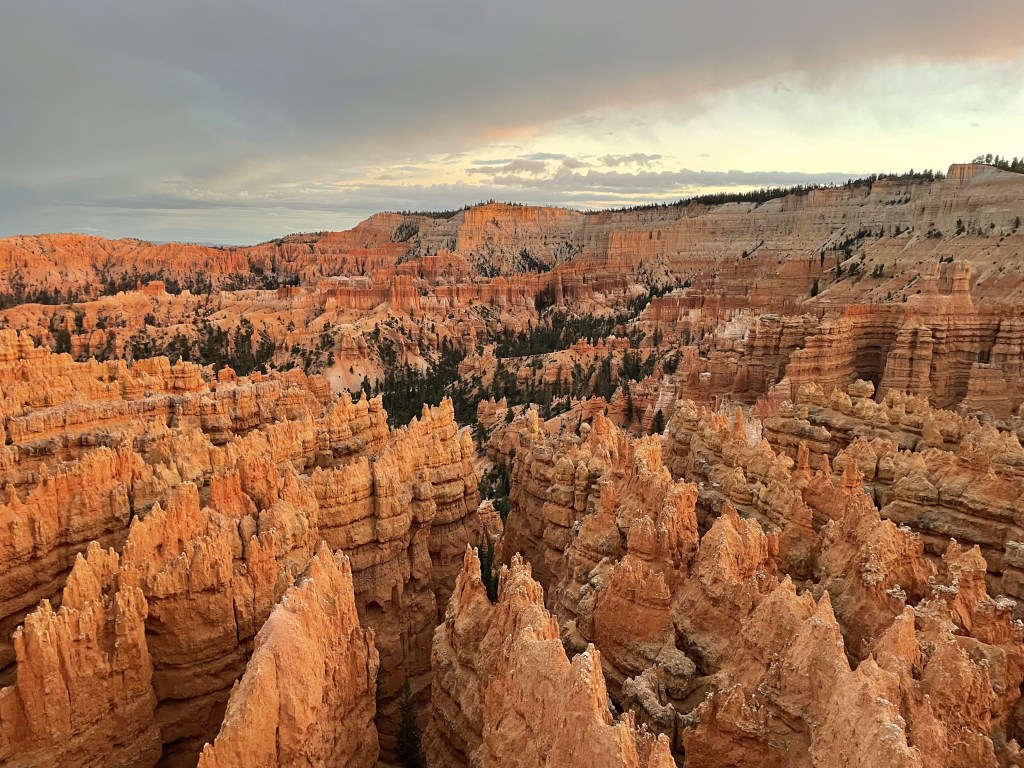
Allow yourself a half day to see the park if you’re only planning to drive and check out the viewpoints around the rim and scenic drive. If you really want to explore the area, you would be happy spending a full day or two here. Bryce Canyon is saturated with breathtaking views that are also pretty incredible during sunrise and sunset (be sure to check out their appropriately named viewpoints!).
This destination gets hot in the summertime, but still seems to be packed with crowds (most likely due to school not being in session). I would not recommend strenuous activity (like long hikes) on the hottest days unless you explore around sunrise or sunset. Bring plenty of water, and keep in mind that many of the Amphitheater trails are exposed midday with little shade when the sun is at its highest point in the sky. It is surrounded by forest in all directions so there is plenty of shade in the area when it is warmer out to break for lunch or to just enjoy the nature. Always check the weather before you go, the park does see surprise storms year-round.
Spring and fall are certainly more enjoyable (and more popular) because weather is on average relatively mild. The trees are evergreen so this isn’t really a place to see fall foliage, although there is a little bit of that sprinkled sparingly around the area!
Winter gets extremely chilly, and because of its higher elevation, Bryce Canyon may get snow at any point during the winter, which often lingers well into spring. Many of the hiking trails and sometimes even the main road beyond the Amphitheater will be closed when there is excessive snow in the peak of winter, but the other seasons are generally clear of this.
Where to stay
Bryce Canyon is in the middle of nowhere, so you are limited to a few options if you want to stay near or inside the park. There are two official park campgrounds: North Campground and Sunset Campground (which is closed in the winter). Reservations can be made online but availability varies by season. The park is also home to the Bryce Canyon Lodge, which consists of 114 rooms and a restaurant, and can be a bit expensive.
There are plenty of places just outside the park entrance to camp or lodge, including dispersed camping spots in the nearby forests and another large private campground with significant facilities in Bryce Canyon City. The city has several large hotels and lodges available year round, and there is even a new one under construction (as of January 2025). I would consider the hotels in Bryce Canyon City to be reasonably average in price, as the next best options will require a bit of a commute.
The closest major cities to the Bryce Canyon National Park Entrance are:
- Bryce Canyon City, Utah (less than 10 minute drive)
- Cedar City, Utah (1.5 hours drive to the west, nearest regional airport)
- St. George, Utah (2.5 hours drive to the southwest, also has a regional airport)
- Salt Lake City, Utah (4 hours drive to the north, international airport)
- Las Vegas, Nevada (4 hours drive to the southwest, international airport)
If you are looking to go backpacking through the park, there are a few backcountry camping spots available but you are required to obtain a permit in advance. The two long trails can also be completed without camping at all (one is just 8-miles, the other is about 23-miles). Check the website for specific details on backcountry permits and where you can backpack in Bryce Canyon National Park.
If you are planning to camp anywhere in the Bryce area, you are going to have quite a show in the night sky as the stars come out to play. It is so far away from all major cities there is essentially no light pollution (unless you are in a busy area like a major campground), and Bryce Canyon National Park is recognized as an International Dark Sky Park. (Which makes this a super neat place for a little bit of astrophotography!)
How to get around
You are most likely driving to the park yourself as there are no airports nor public transportation in this remote part of Utah. Bryce Canyon Road goes all the way from the Visitor Center at its northern end through the park and down to its southernmost viewpoints (located at a dead end). It is a very slow moving road, so take your time and enjoy the scenery.
Bryce Canyon National Park offers a free shuttle (with your park admission) directly from the Bryce Canyon City area that will take you inside the park beginning in the springtime and into the fall. Check the shuttle schedule and map to see the specifics of the route. You will not be able to use the shuttle to travel the full distance of the scenic road, but it does provide visitor access to the visitor center, campgrounds, lodge, and major amphitheater viewpoints and trailheads. The shuttle helps to alleviate the combination of the high volume of vehicle traffic in addition to the limited parking available during the busiest seasons. It can get very hectic during these busy times.
Some other major spots you can add to your road trip if you plan on driving around this area of Utah include:
- Kodachrome Basin State Park (30 minutes drive to the southeast)
- Grand Staircase-Escalante National Monument (30+ minutes drive to the east)
- Cedar Breaks National Monument (1 hour drive west in warmer seasons, 2 hours in the winter due to road closures)
- Zion National Park (2 hour drive to the southwest)
- Capitol Reef National Park (2.5 hours to the northeast)
- Arches National Park and Canyonlands National Park (about 4 hours to the northeast around the city of Moab, Utah)
Food and money
Near the lodge and campgrounds there is also a general store, a pizzeria and coffee shop. Keep in mind that these are only in operation from roughly April to October. Check the website for specific hours and opening/closing dates, which differs annually due to various factors such as the weather.
Park admission is $30 as of January 2025. The campsites, food, grocery store, and lodging within the park may be a bit more than average regarding pricing, but there are plenty of options in Bryce Canyon City (10-minute drive north of the entrance).
To save money and time, it is always recommended to pack a lunch, or snacks if you are just passing through!
What to do
I would absolutely recommend starting your adventure at the Visitor Center, where you can learn about the park and how the crazy looking hoodoos developed over time. Here you can also inquire as to if there are any informative guided tours with park rangers taking place during your visit.
Bryce Canyon’s primary attraction is the Amphitheater, which is quite a sight to see! There are a few larger parking lots which do fill up shortly after sunrise on weekends during the busier times of year (spring, summer, and fall). Utilizing the free shuttle when available will definitely help you eliminate the stresses of hunting for a parking spot.
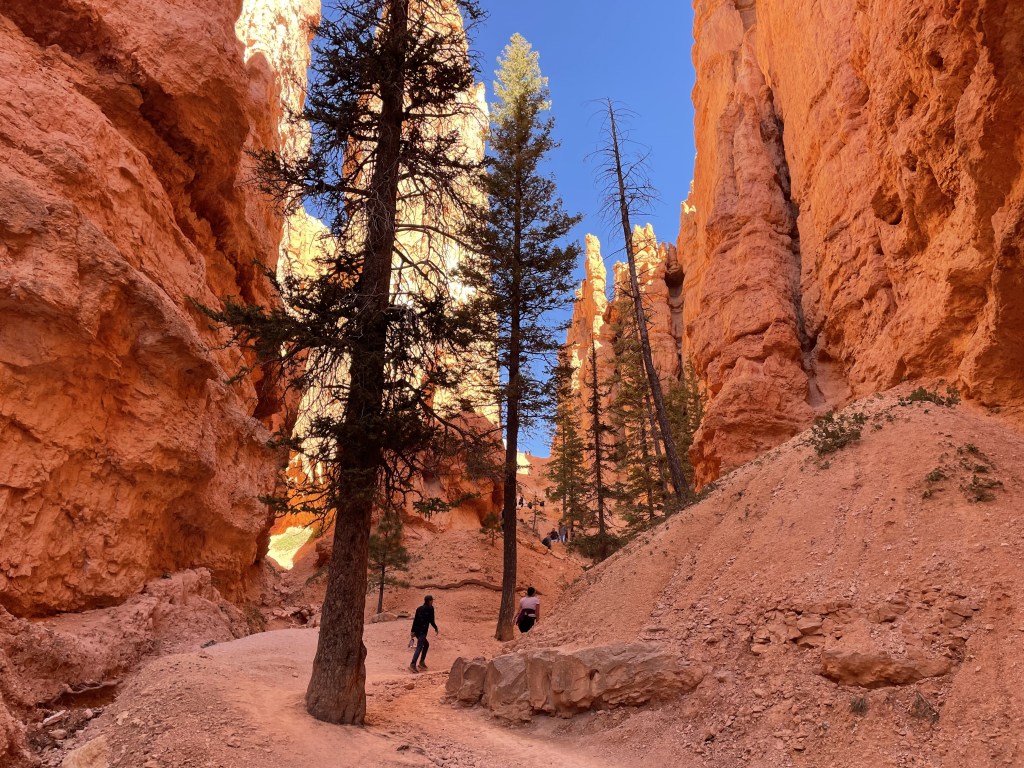
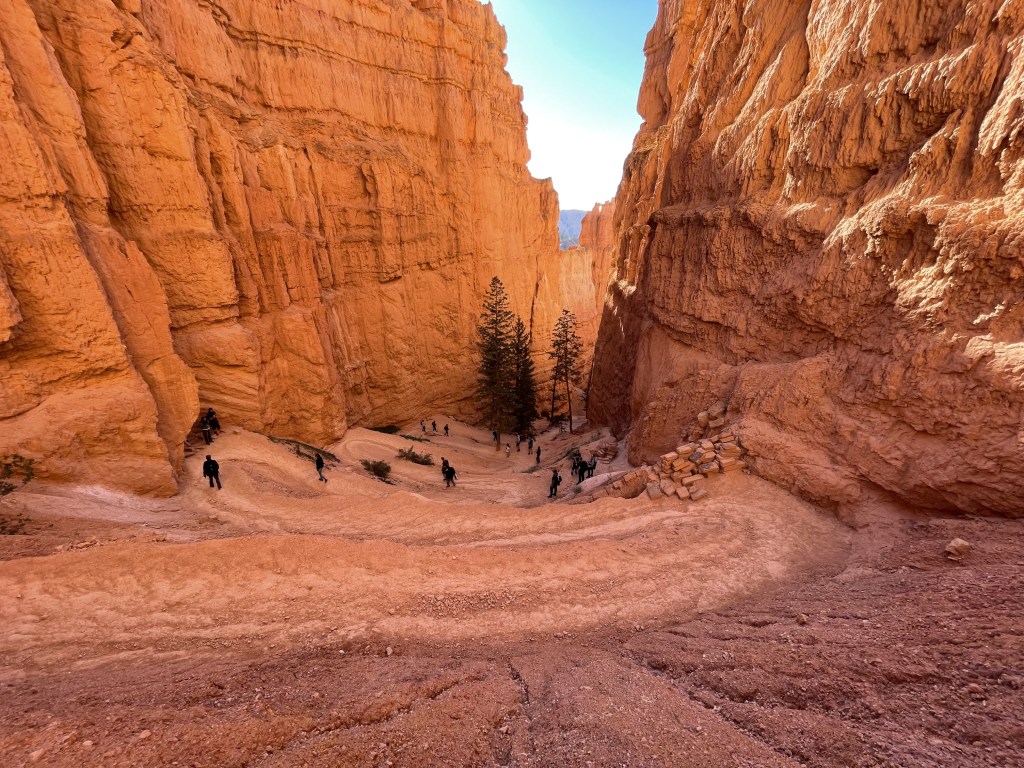
The Amphitheater has loads of viewpoints that branch off from the parking areas, and this is where most of the best hiking trails are. If you choose to descend into the canyon and wander around the hoodoos, be sure to bring plenty of water and a map, because it is quite the maze down there, although trails are labeled with signs to attempt to keep us all oriented. Phone reception down in the canyon can be spotty so I wouldn’t rely on technology unless you pre-download the maps.
Some famous spots include Thor’s Hammer, the Queen’s Garden, and Wall Street. No matter where you walk around the hoodoos, you will have no shortage of breathtaking views and a ridiculous amount of photo opportunities. Give yourself at least a few hours to explore because around every corner you’re going to want to pull your camera back out. It’s a magical fairyland (which is also the name of another famous spot of the Amphitheater)!
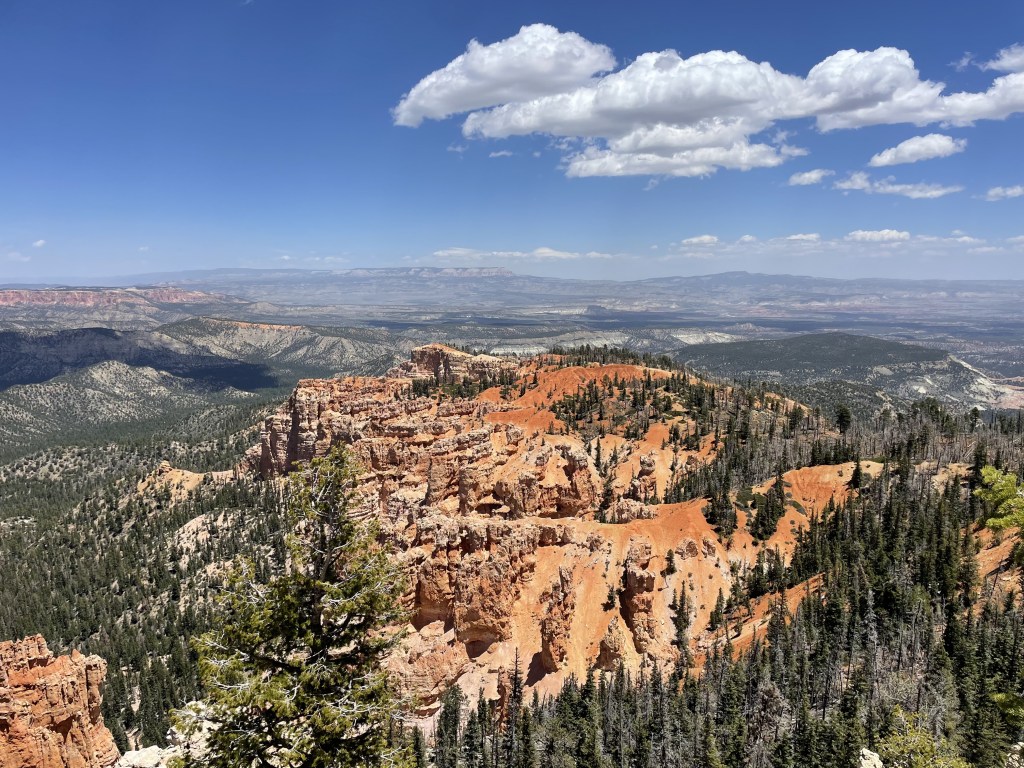
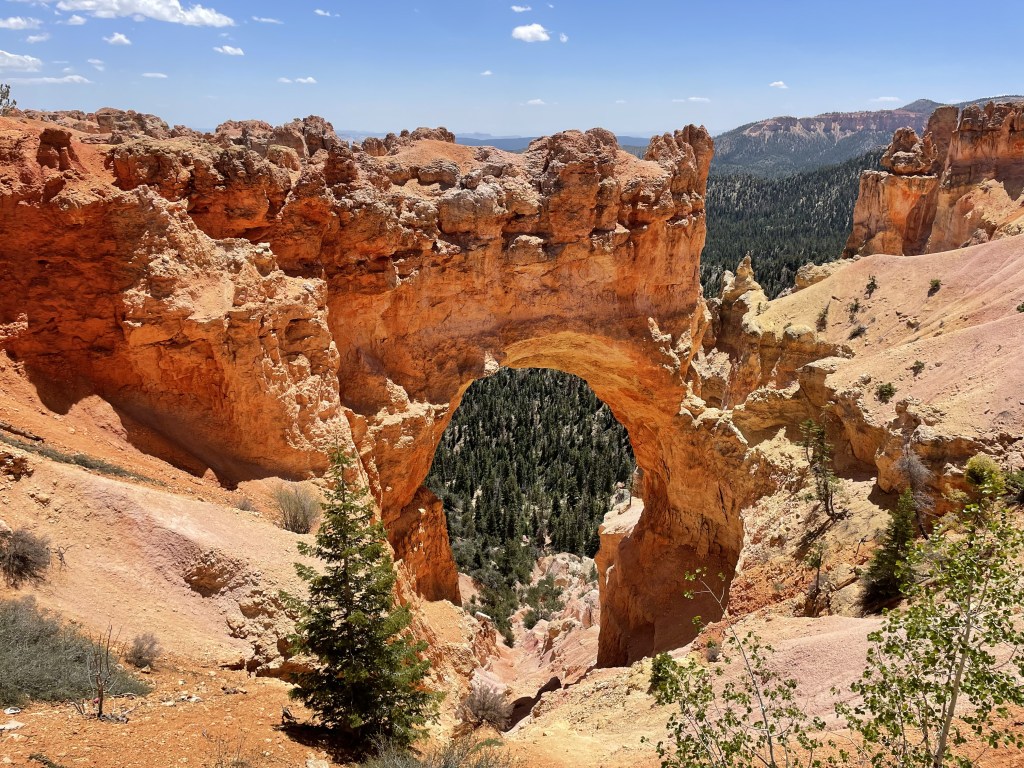
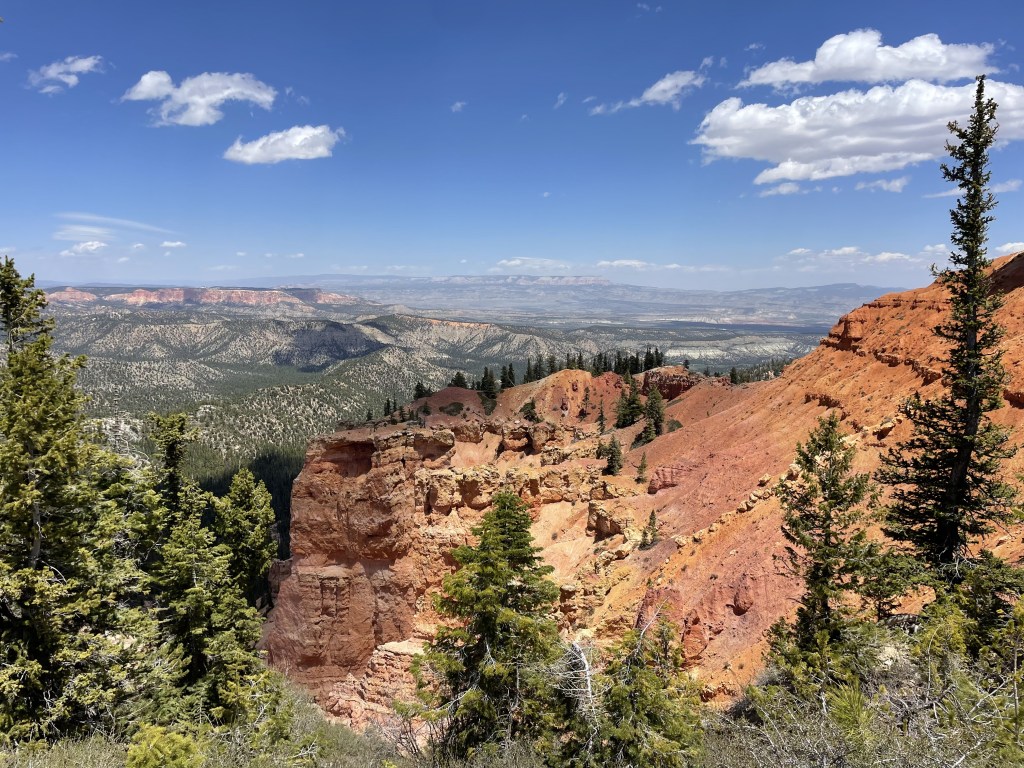
As you continue your journey through the park down Bryce Canyon Road beyond the Amphitheater, you will find that this scenic drive ends at a couple of viewpoints. (Note that this road may be closed in the winter.) Little walking is required to reach most viewpoints along this drive, which are accompanied by parking pullouts and mostly flat, fully paved outlooks. The road ends at Rainbow and Yovimpa Points. Bryce Natural Bridge is one notable stop along the way.
Keep an eye out for bicyclists and share the road if you see any, or ride your own bike if that’s your thing! The road is 18 miles long from the entrance to the end at Rainbow/Yovimpa.
If you choose to depart the park going east, you can also check out the Mossy Cave Trail, which is a short little trail leading you to a cave and past a waterfall. This spot is especially neat in the wintertime when everything is frozen.


Other things you may want to know about visiting
Riding a horse within the park is an option, but check the map for specific trails that are designated for this type of travel. Not all trails in the park are shared trails, and you are required to make reservations in advance to ride your horse here. Paid horseback riding tours are also available in the park for people who do not have their own animal, but would still like to ride a horse through this unique wilderness.
If you bring along your dog on your adventure, keep in mind they are not permitted on many of the trails and are primarily restricted to certain viewpoints and paved surfaces. Check out the info from the NPS about bringing your pet here. They are not allowed on the trails down in the Amphitheater.
The gift shop here is pretty big and has a lot of stuff packed into a small space, just in case you like shopping for souvenirs.
If you want commentary about the park directly from the mouth of a ranger, check to see if any of these ranger-led programs are happening during your visit. They range from full-moon hikes to geology talks.
My thoughts
Personally, winter might be my favorite time to visit this place because of the magical contrast between the red rocks, white snow, and blue skies. And… just, WOW. It’s really something special. I would encourage everyone to take the opportunity to visit if you are driving through the area (especially in the winter time, road conditions permitting, of course). It’s beautiful at any time of the year, and I have probably stopped in here close to a dozen times. I am obsessed with the Amphitheater and photographing it at various times of the day. Every time I go, I see something new. Mother Nature is truly an artist.
Have you been to Bryce Canyon National Park? What did you think? Did I miss anything? Is there anything else in the area you think people should know about?
Happy traveling! 😊
(And always remember to follow #leavenotrace principles!)
❤️
(this post was last edited and updated on February 5, 2025)



 Laura the explora: the blog
Leave a comment