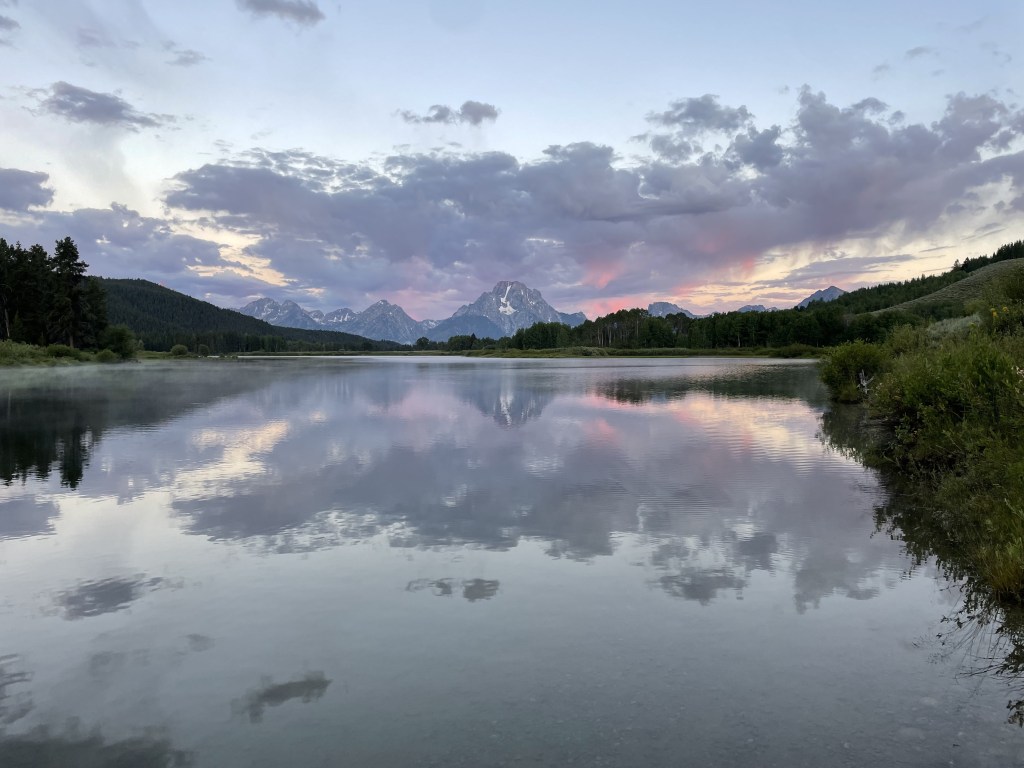
These majestic mountain peaks will command your attention from miles away. Whether you want to trek one of the breathtaking hiking trails up the mountains, go searching for bears, buffalo, elk or moose in their natural habitat, or just want to gaze from a distance at a roadside viewpoint or on a boat in the waters of the lakes below, you will be absolutely awestruck. While it is unclear exactly how these peaks got their name, the translation of “teton” from French is “teat” which is rather amusing, making this place the “big nipples.” This information seems important but it’s probably not.
Situated at the western side in the valley of Jackson Hole, the views in Grand Teton National Park will blow your mind during any time of the day or year. Waking up early to catch a sunrise is an unforgettable experience; or for those who prefer sleeping in, enjoying a sunset is also exceptional (just perhaps a bit more crowded). There are many different ways to soak this place all in, and while you can hike or swim, there are plenty of ways to enjoy it without any physical activity.
The most commonly trafficked areas are just north of the Jackson Hole airport (which is technically inside the park boundary). Services within the park include its three major visitor centers, restaurants, lodges, general stores, marinas, gas stations, emergency medical services, and toilets at some trailheads and campgrounds. Reception can be spotty on the roads and trails, but it is somewhat reliable in and around the general tourist village regions. Once you get out into the backcountry, it is unreliable. Carrying a park map (offered complimentary with your entrance fee) is recommended and is a great thing to reference where you are in the park. If you go without a specific plan, head to any visitor center during operating hours and talk to a park ranger about your options. They are there to help you make your adventure the best they can, but be mindful as to not take up too much of their time so they can do their jobs and help other people, too!
When to go and how long
Most businesses and lodging within the park only operate during the summer tourist season, which lasts from about May to September, but the park is open year-round.
You will get to experience all four seasons here. Mountain weather can be unpredictable in the shoulder seasons (spring/fall). Summer is definitely the most popular time to visit this entire region as it is the only time of year all roads are pretty much guaranteed to be open. I would argue that late spring and mid fall are slightly more enjoyable because you get to avoid the crazy crowds, and for the most part everything is still open.
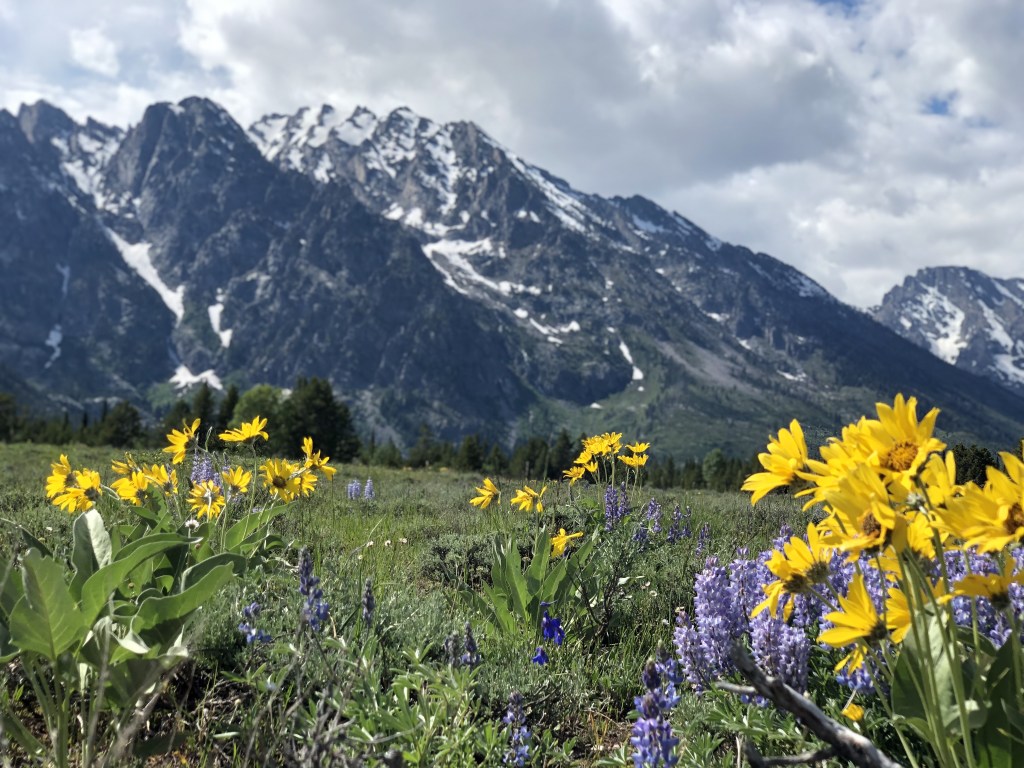
Winter brings a lot of snow to the area, and the white capped mountains are absolutely stunning. After the snow melts, late-spring often brings wildflowers that stay blooming through the summertime. Summer can be warm, but generally still pretty enjoyable. Hiking the trails up the Tetons and water activities in the lakes below are popular activities. Fall brings some changing foliage and starts to get bit chilly.
Grand Teton National Park makes a great stop before or after visiting Yellowstone National Park. If you just want to enjoy the scenery from your vehicle, the roughly one hour drive through the valley alone is packed with views and pullouts where you can really take it all in. One to three days is sufficient to do some adventuring around this park, depending on your desired activity level.
Where to stay
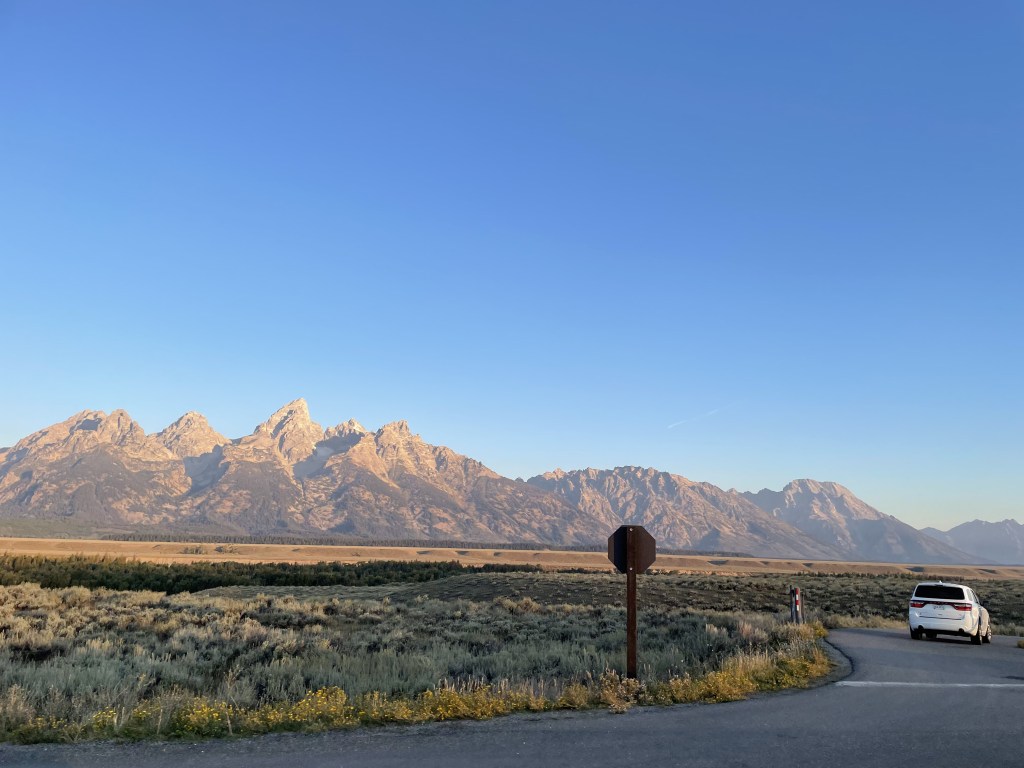
Within the park, there are campgrounds and hotels in its three areas I will be referring to by the nearest Grand Teton visitor centers.
Craig Thomas Discovery and Visitor Center (South): Nearest to Jackson Hole Airport and the small town of Moose, Wyoming. Facilities include a gas station, post office, and the Dornans establishment (which includes restaurants, a general store, and Spur Ranch cabin rentals).
Jenny Lake Visitor Center (Central): Jenny Lake sits at the eastern base of the Grand Teton. Here you will find Jenny Lake Campground and the all-inclusive Jenny Lake Lodge, as well as a general store near the visitor center and fancy restaurant at the resort. This area is very expensive, but the location really is special and aside from the visitor centers, generally only in operation during the summer.
Colter Bay Visitor Center (North): Just north of Moran Junction on the eastern shores of Jackson Lake is Colter Bay Village. There’s all kinds of tourist stuff here including hiking trails, beaches, an amphitheater, a restaurant, gas stations, marinas (yes, you can go out on the lake!), and more. It’s basically a small seasonal town, as most spots in this area are only open during the summer tourist season. There are a variety of options for staying overnight at the Colter Bay Village Cabins, the Colter Bay RV Park or Colter Bay Campground. Just south of the main village area there is a pricier, fancy hotel, called the Jackson Lake Lodge. There are also some other small private lodges east of this area.
Jackson (check out my notes about the city here) is an ideal place to call home base for your adventure in this park due to the fact that it is about a 10-minute drive south of the park. There is a wide array of lodging options, from big fancy resorts and cute little inns to modern hotels and your average motel. There’s a lot of options for food and shopping on the eastern side of town around the Jackson Town Square.
The small town of Dubois, Wyoming may also have some lodging options available, and sits about a 1-hour drive east of the park’s east entrance.
Because this region is best enjoyed during the warmer times of the year unless you’re into snow sports, the rooms and campsites fill up fast. Regardless of what your plan is, this is a destination I recommend you book everything you can in advance. You can still usually figure things out if you don’t, but your experience might be more stressful. Activity tours often sell out and your options will be limited. Prices generally increase as things fill up and you may save money by booking in advance.
A variety of more remote camping options can also be found away from the villages areas in the park, as well as outside the park boundary in the surrounding national forests. Camping in places off the beaten path usually helps to lower your costs if you already have the equipment you need to thrive out there. Check the availability on individual campsite websites. There are many backcountry campsites for those interested in backpacking inside the park, but you are required to obtain a permit in advance.
How to get around
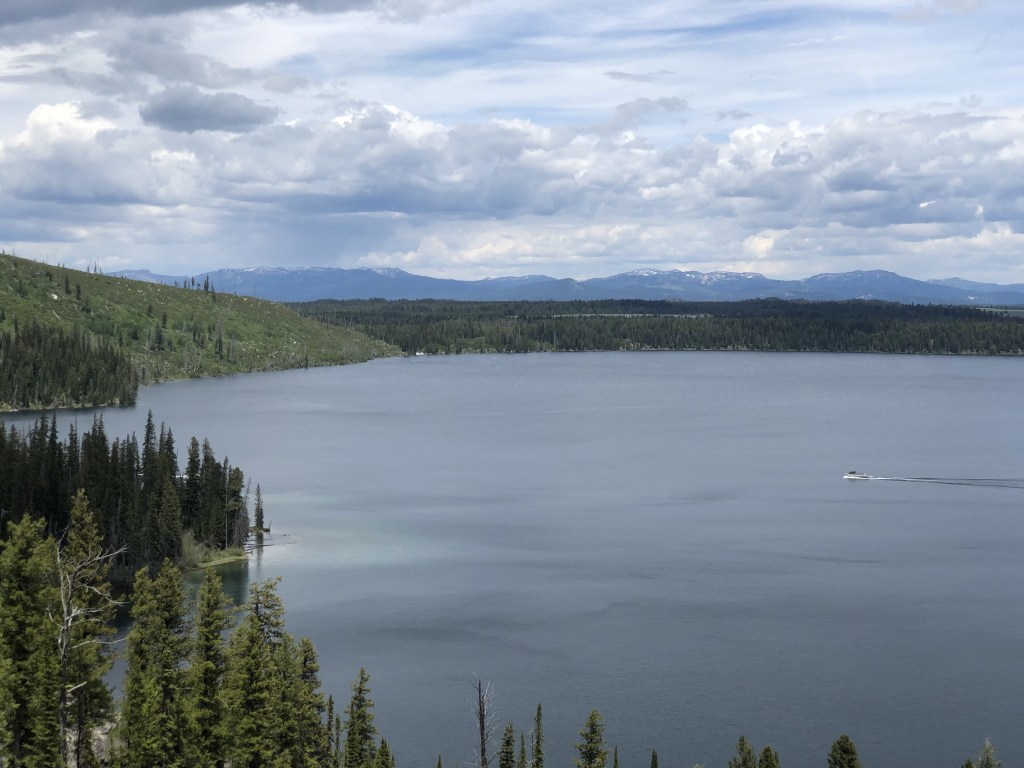
I would recommend having your own vehicle when exploring this destination.
The Jackson Hole (regional) Airport is within the park’s southern boundary, just north of Jackson. You can rent a vehicle just outside the terminal (as well as in the city of Jackson). To make the most of your adventure in this area will require a car, and I would absolutely recommend reserving one in advance if you are flying in. Availability is limited in the busiest seasons. You can also use the airport public shuttle pilot program or call to reserve a private taxi into the city from the airport if you don’t want to rent a car. There are no ride-shares in the area.
If you are booking private tours only and don’t want to rent a car, some private tour companies will pick you up directly from your hotel lobby in Jackson for tours booked in advance, but each individual company will have its own policy on this. Inquire ahead of your trip when you are making your reservations.
The Bundu Bus is a larger tour bus service that offers rides to Grand Teton and some other spots in the American West, and the Bundu Bus schedule is linked here.
The closest cities to Grand Teton National Park include Jackson, Wyoming (roughly 10-minutes drive to the south) and the smaller town of Dubois, Wyoming (1 hour east). Bozeman, Montana (about 4 hours to the north in summer, or 5 hours in the winter due to road closures) is home to the nearest international airport, on the other side of Yellowstone National Park.
Food and money
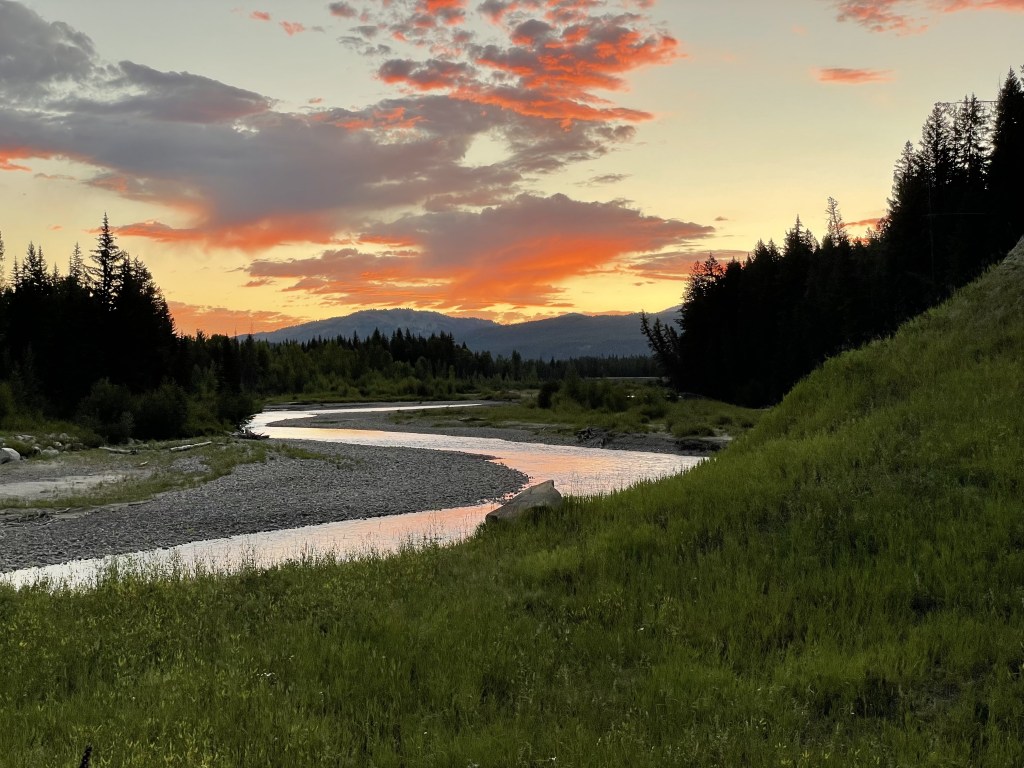
It is not cheap to have a generic or luxury vacation in this area. Everything is rather expensive because of its remoteness (meaning everything is imported from somewhere else) and seasonal availability. Cabins and rooms are likely going to cost you a couple hundred dollars per night. Food is also on the pricier side, especially inside the park, but there are some less expensive options (such as generic fast food restaurants) not too far south in Jackson.
Most private tours of any variety will cost hundreds of dollars (per person) for a full-day trip.
There are several fancy restaurants inside the park as well as a few general stores where food is available for purchase (limited supply). I would recommend packing your own lunch if you plan on visiting for a full day, or heading back to Jackson if you are exploring the southern half of the park.
If you don’t have any dietary restrictions concerning meat, I would absolutely recommend trying an elk or bison burger while you’re in the area!
What to do near the Craig Thomas Discovery and Visitor Center (South)
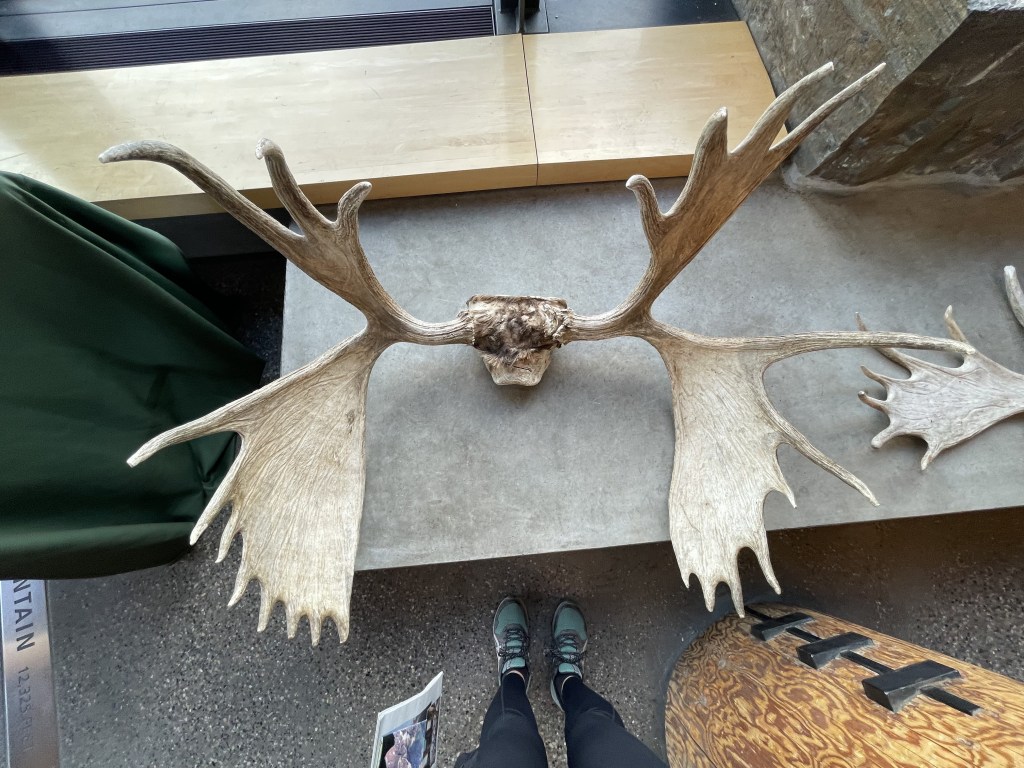
This visitor center is the largest of the three and if you only want to visit one, I would choose this location as it holds the most educational exhibits. The Moose (town) region is home to a few historic buildings where you can also learn about what this place was like before it became a popular tourist destination.
Take a hike to one of the park’s smaller lakes (Bradley, Phelps, or Taggart), or consider backpacking in the mountains from one of the trailheads in this southern region. There are also several scenic view pullouts just off the road if walking for fun isn’t your thing or you just want to take it easy.
Rent a bike or boat from Dornans if you are looking to see this area from a different perspective.
You can check out more details about the Moose region and the Mormon Row historic district on the NPS website here.
What to do near the Jenny Lake Visitor Center (Central)
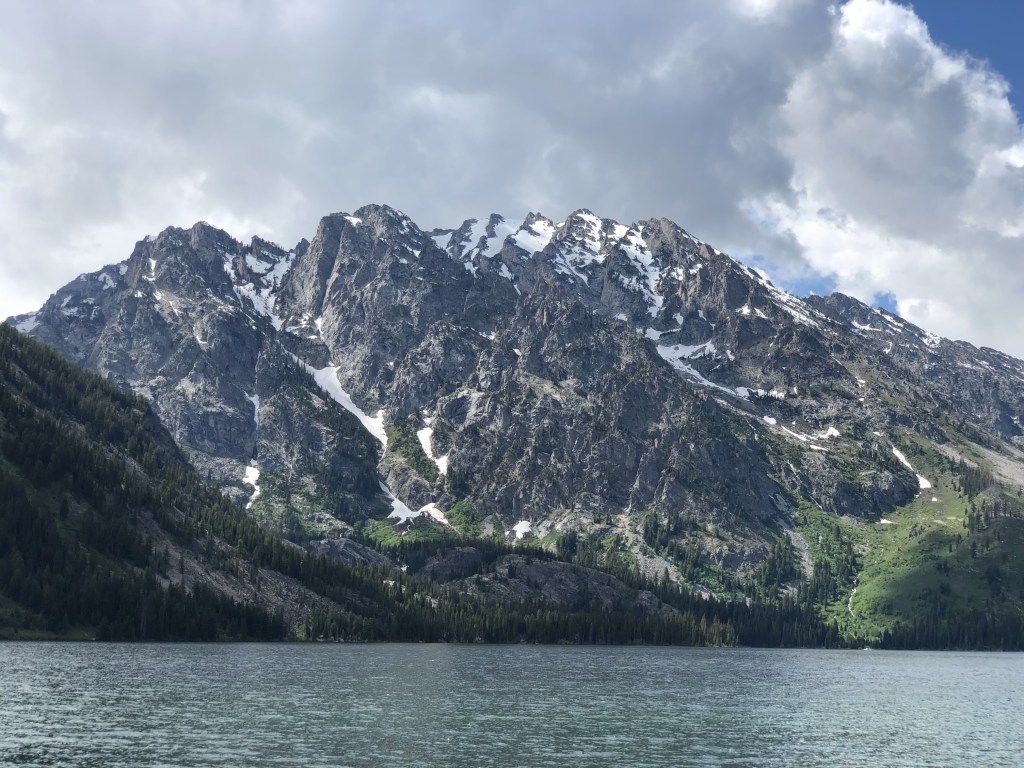
Jenny Lake’s serene beauty is a must-stop in my opinion, but you don’t necessarily need to spend your whole day here. Because of its location at the eastern base of the Tetons, the views are simply unmatched by any other place within the park.
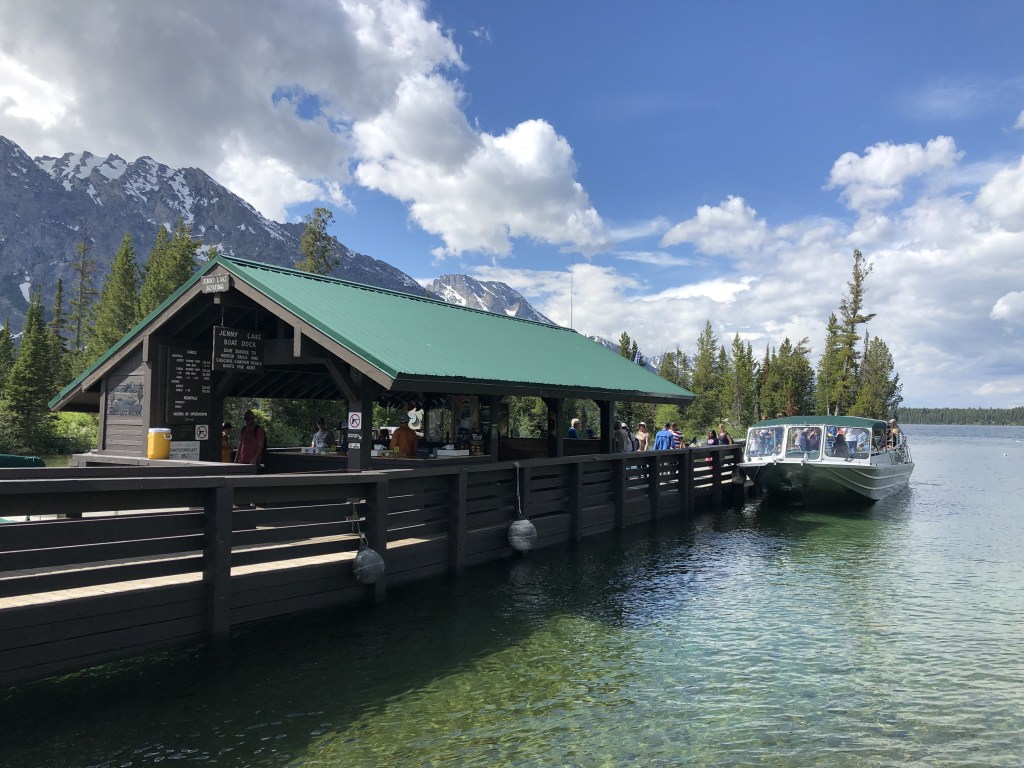
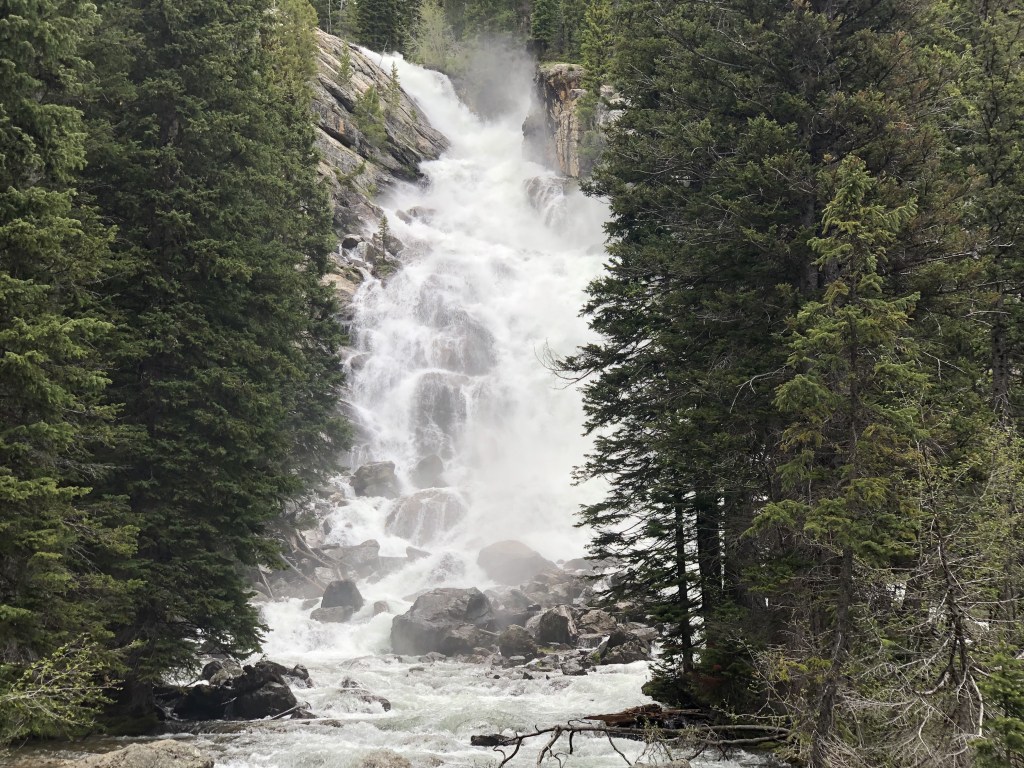
You can take your own boat (check to see if yours meets the specific qualifications, permit required) or stand-up paddle board (permit required) out on Jenny Lake (some restrictions apply), but if you don’t have one, you can either rent your own boat or ride the ferry to the other side. Across the lake you will find shorter versions of hiking trails that will lead you to Hidden Falls and Inspiration Point, or you can follow the Cascade and Paintbrush Canyon Trails to explore beyond the highly-trafficked spots where you will find more lakes and even get to see glaciers up close. If you can’t get ferry tickets or don’t have a boat, there is also a trail that loops around the entirety of Jenny Lake. Backpacking is a great way to adventure here (but be sure to inquire about a permit!).
String Lake is just north of Jenny Lake, and is a popular place people can go swimming. Leigh Lake is just north of String Lake, but is only accessible by trail. Pack a picnic lunch and spend an afternoon at either one. (The same non-motor floating device rules also apply here.) Side note, there are a couple little islands you can explore in Leigh Lake if you’re a good swimmer!
You can check out more details about the Jenny Lake area on the NPS website here.
What to do near the Colter Bay Visitor Center (North)
Colter Bay is on the eastern shore of Grand Teton’s largest body of water: Jackson Lake. This place gets super busy in the summertime and has the most overnight options within the park (cabins, RV park, & camping).
Much like the Jenny Lake region, you can bring your own motor boats (which also requires a permit) or you can rent one and go out on the lake via one of the two marinas. Swimming and stand-up paddle boarding (permit required) are also popular activities. Several large islands within the lake and many smaller ones are just begging to be explored.
Many walking trails have been established around the bays and camping areas, and they are not super difficult (minimal elevation change). You can make them longer or more difficult by connecting them to other trails.
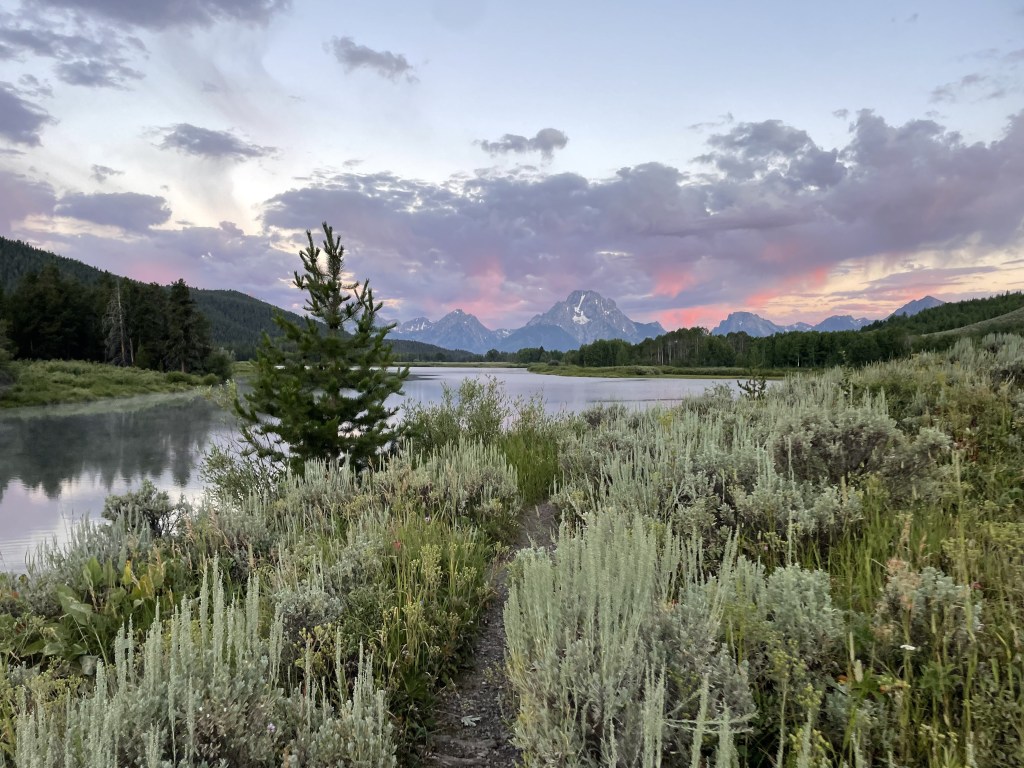
There are a lot of really lovely viewpoint pullouts in this region if you are only passing through, and the beauty is amplified during a good sunrise or sunset (especially anywhere with water that you can see reflections).
You can check out more details about the Colter Bay area on the NPS website here.
Other stuff to do in the park
Summiting the Tetons is a very popular activity, and technically you don’t need a permit to climb up there unless you plan on backcountry camping on your way up and/or down. The trek is difficult and requires actual rock climbing and mountaineering. Trailheads are located near the southern (Moose) and central (Jenny Lake) regions of the park.
Fishing is allowed in most bodies of water within the park during specific times of the year. Check the NPS website’s Fishing page for dates, permits, and rules relating to your catching desires prior to your trip.
Bicycling is allowed on all paved roads within the park, as well as the gravel-covered Grassy Lake Road and Two Ocean Lakes Road. The Grand Teton Pathway is a bike path designated for foot traffic and cyclists that parallels the main road from the city of Jackson up to Antelope Flats Road. Be sure to share the road!
Float down the Snake River on a raft (permit required). Rapids vary in difficulty so do check in advance to ensure you are prepared for the section you would like to float on.
Horseback riding tours are available from a few designated private parties. As per their website, it seems that you can’t really ride your own horse much around here, but there are allowances for stock animals that carry equipment in some areas.
Go on a wildlife safari. You can book a private tour, but it’s really not necessary if you have a car. During dawn and dusk many animals are wandering around the park, including bison, moose, elk, and more. Always remember to keep a safe distance between yourself and the animals, and it is usually best to just stay in your vehicle. Please respect the speed limits. I have seen bison and elk look both ways before crossing the street, but they shouldn’t have to defend themselves against giant hunks of metal moving at lightning speed. We are visitors in their home.
BE BEAR AWARE! I have been all over the country and had more bear encounters in Wyoming alone than all other states combined. They will *probably* not bother you personally, but they may try to take your food. Follow the park’s recommendations as to how you can protect both yourself and the wildlife.

Other stuff you can do in the area
Spend a couple days exploring Yellowstone National Park, I wrote a post about that park too, linked HERE!
Jackson (dropping another link to my detailed blog post here) is a cool city, it’s worth a visit even if it’s just briefly on your lunch break.
Check out the National Museum of Military Vehicles, located near Dubois, Wyoming.
My thoughts
The Grand Tetons are a real gem here in the American central west. They are truly incredible and demand your attention from wherever you are in the area. It seems that each time I visit this place, I get emotional, for some reason it always brings me to tears (in a good way, I think?). I thank my parents for bringing me here as a child, as this park and Yellowstone both contributed heavily to my obsession with the US National Parks, and nature in general. With that said, in the decade between my visits, I have witnessed how much this place has evolved and it does concern me to watch it change as the wild becomes less wild…
It is the responsibility of all of us to preserve and protect this great place so that it can be enjoyed not just by us today, but by future generations as well.
Have you already visited Grand Teton National Park? Did I miss anything? What was your favorite part? Leave any recommendations in the comments below!
Happy traveling! 😃
(And always remember to follow #leavenotrace principles!)
❤️



 Laura the explora: the blog
Leave a comment